
How to Choose Basement Flooring That Handles Moisture and Everyday Use
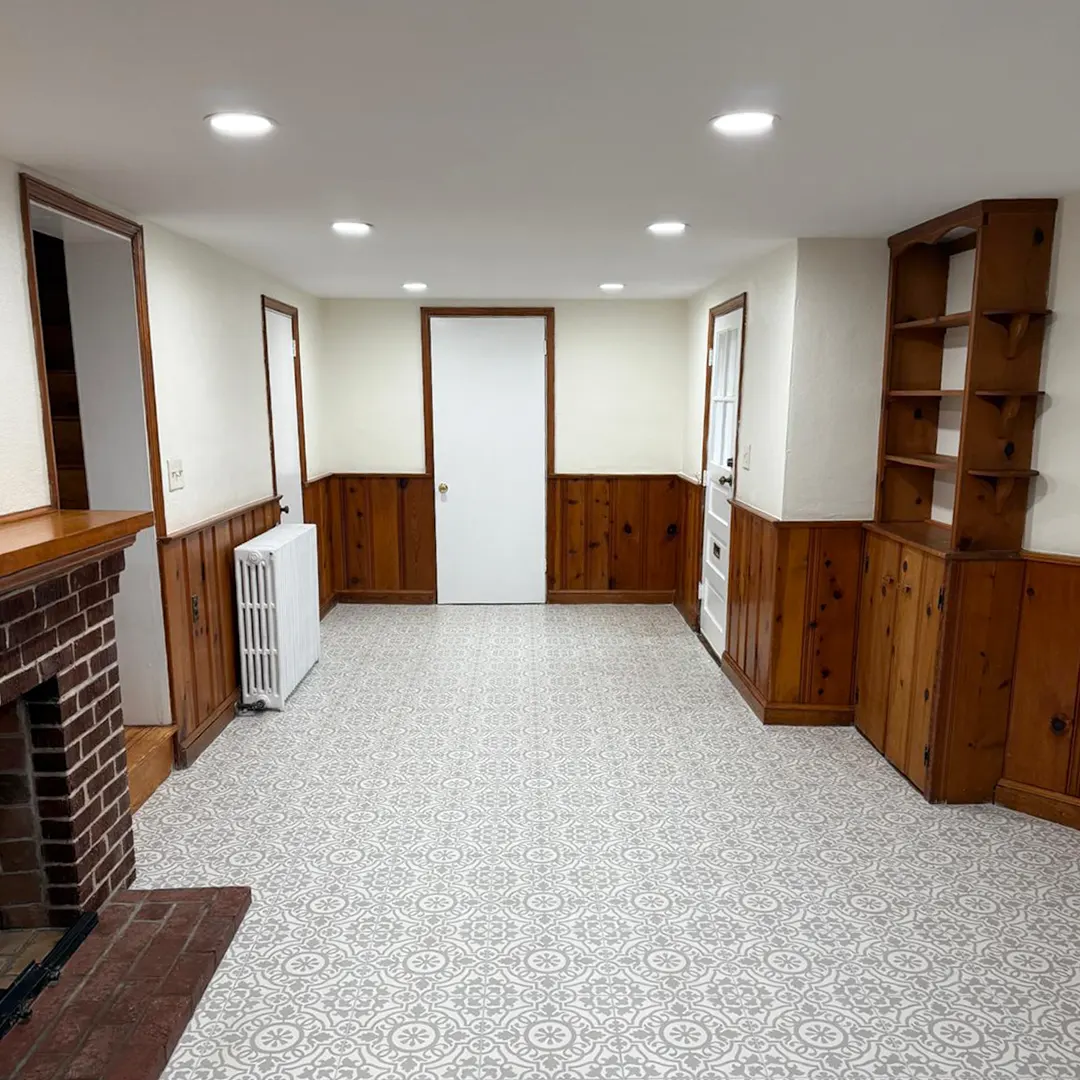
Understanding Basement Moisture Before Choosing a Floor
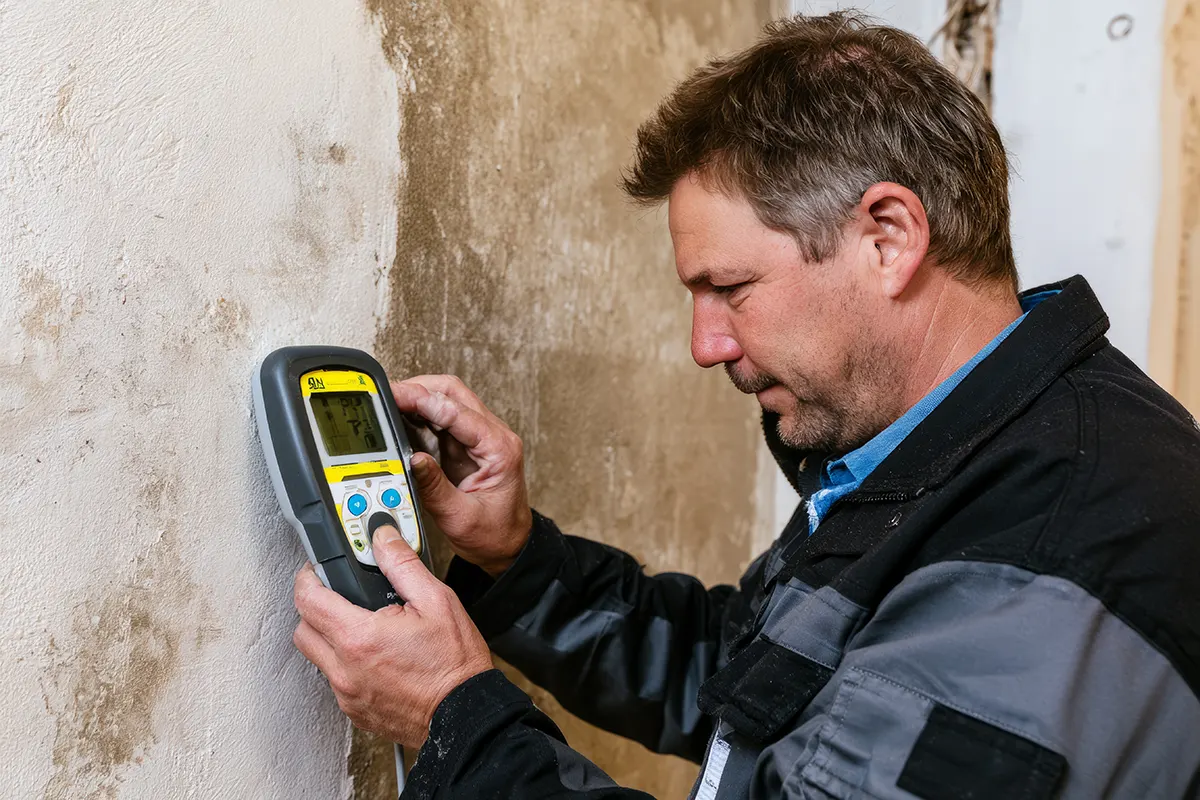
When installing any basement flooring, moisture is a key factor to evaluate. Since basements are below ground level, concrete slabs can retain or transmit moisture even when there are no visible signs of water.
You should also inspect the area for leaks, damp spots, cracks, or previous water damage, as addressing these issues first can help protect the new flooring and improve its long-term performance.
Choosing Materials That Perform Well Below Ground Level
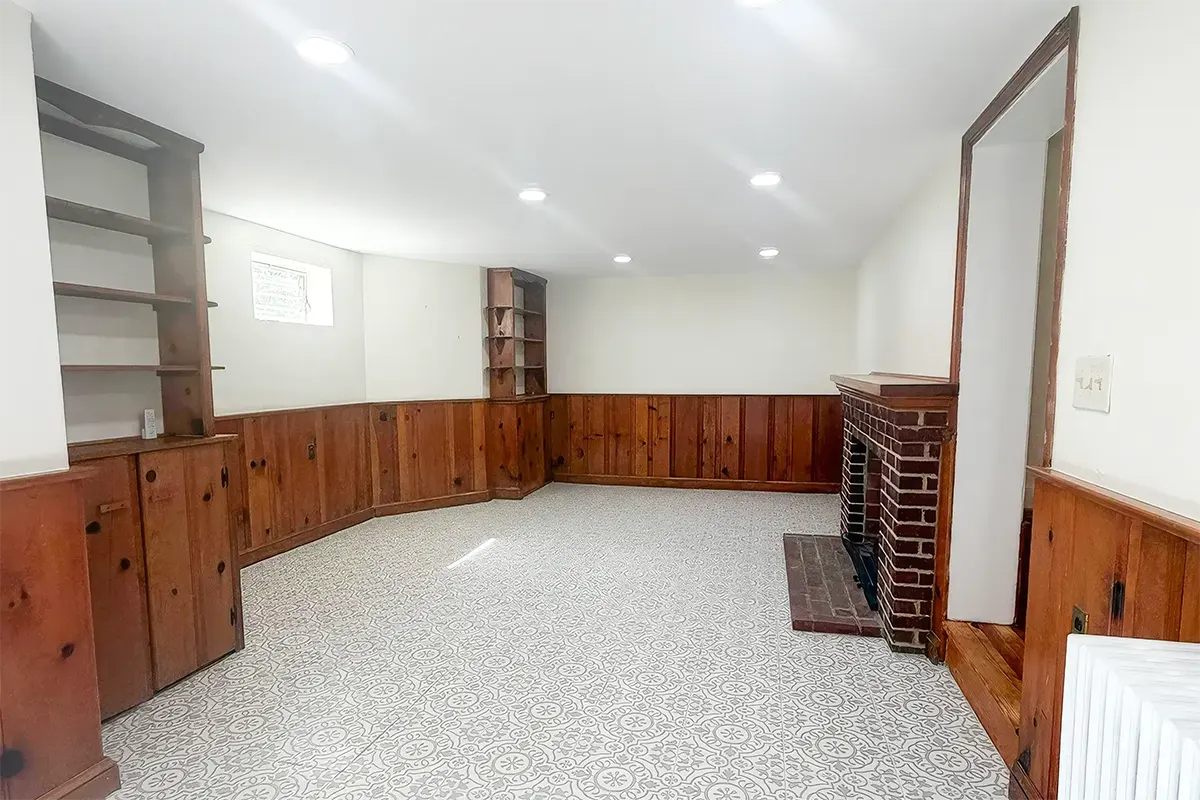
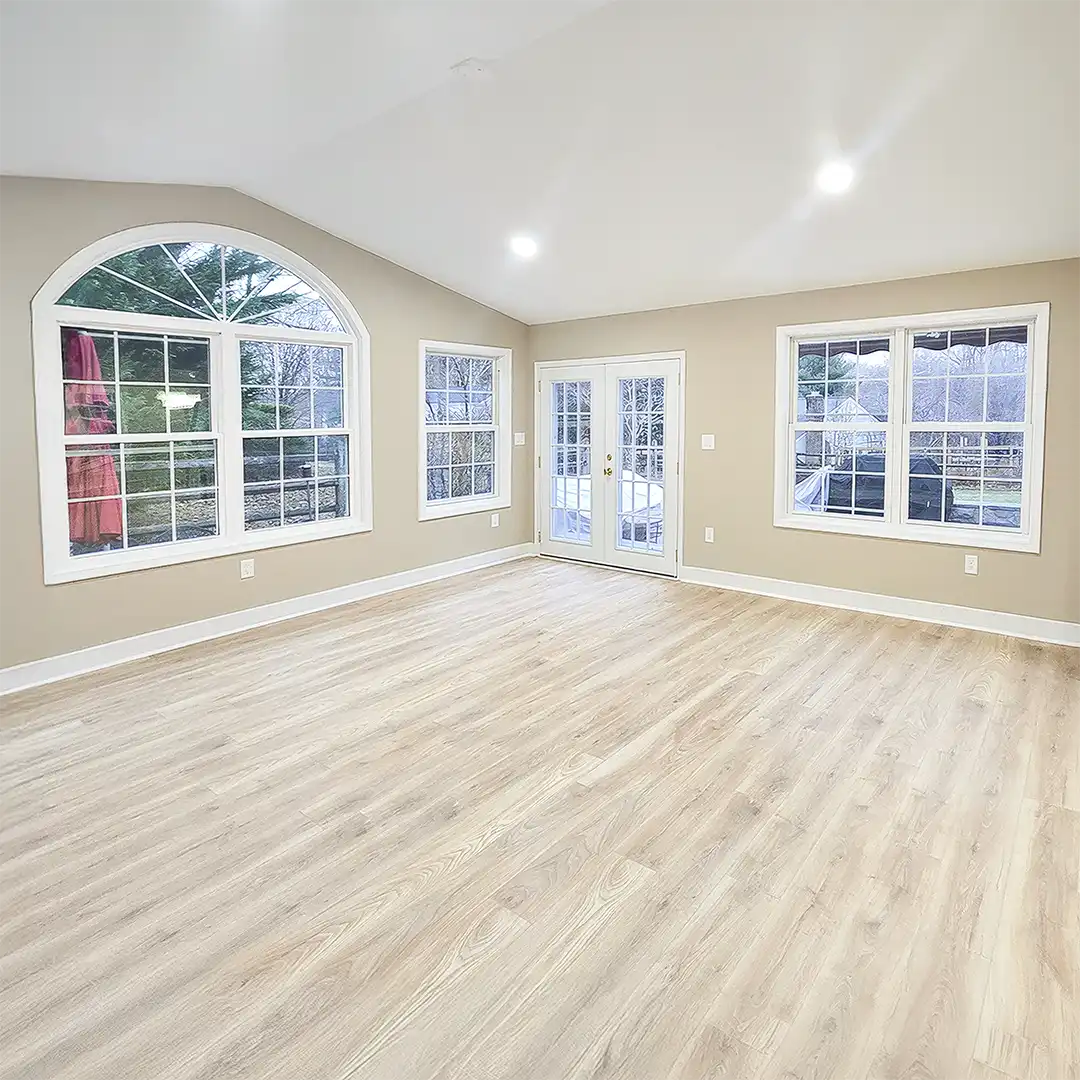
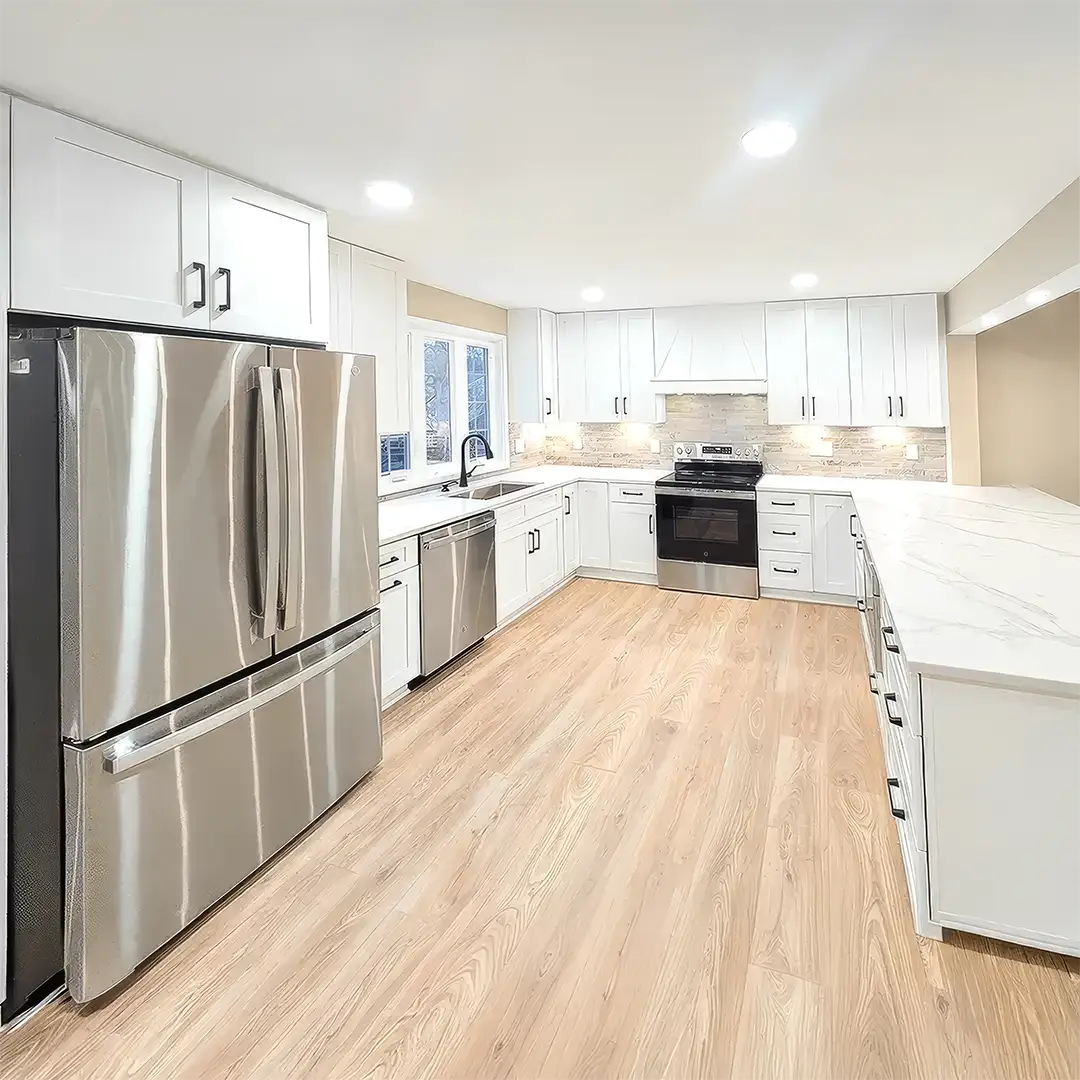
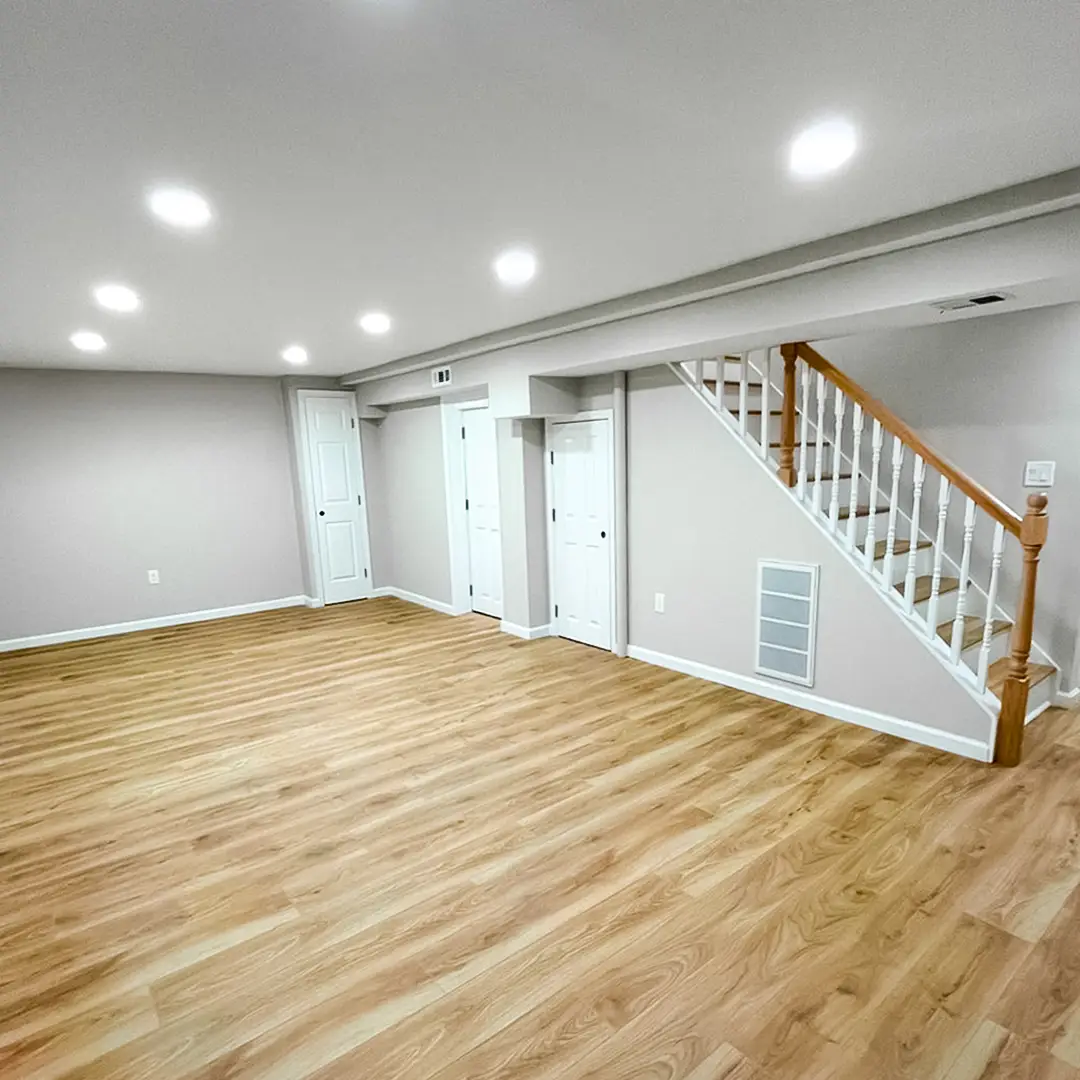
Selecting the right flooring depends on both the basement’s conditions and the intended use of the space. A popular option is luxury vinyl planks because they are water-resistant, durable, and have the look of natural wood.
Tiles can also work well in areas prone to moisture, while certain engineered flooring products may be suitable depending on the manufacturer’s recommendations. Choose materials specifically designed for below-ground environments

Preparing the Concrete Subfloor
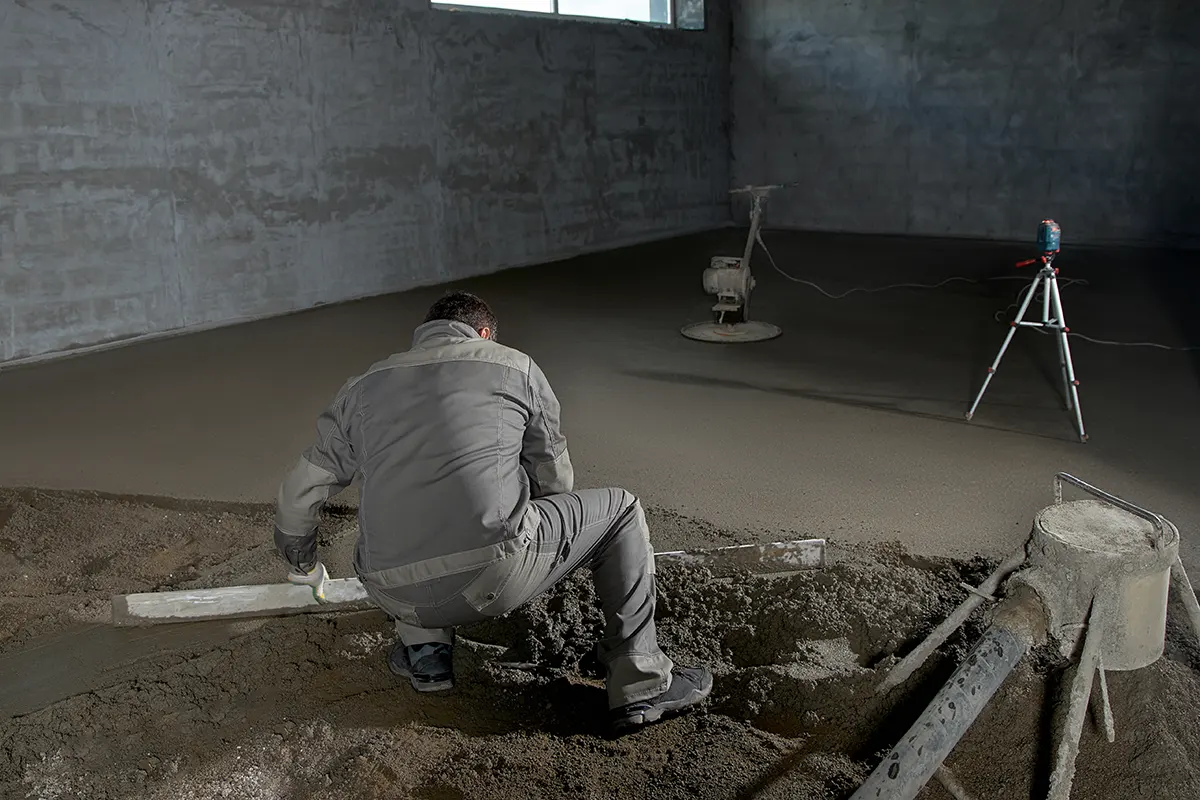
A successful installation begins underneath the finished flooring. Concrete should be clean, stable, and level enough to properly support the selected material.
Cracks and uneven areas may need to be repaired before installation. Depending on the flooring system, a moisture barrier or underlayment may also be recommended. Proper preparation helps prevent movement, uneven surfaces, and premature flooring damage.
Improving Comfort in a Finished Basement
Basement floors tend to feel colder than those on upper floors. The flooring material and underlayment can help make the space feel warmer and more comfortable.
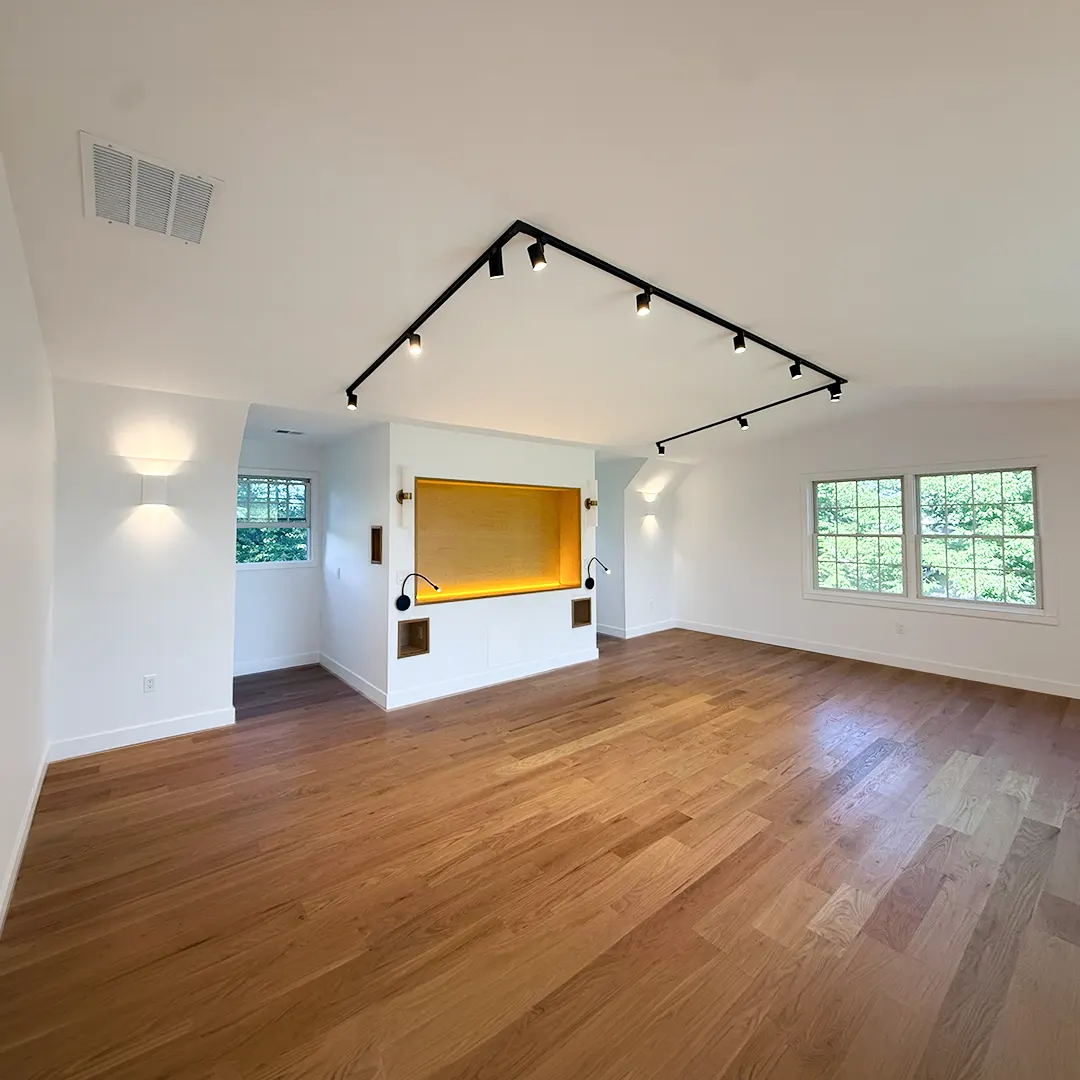
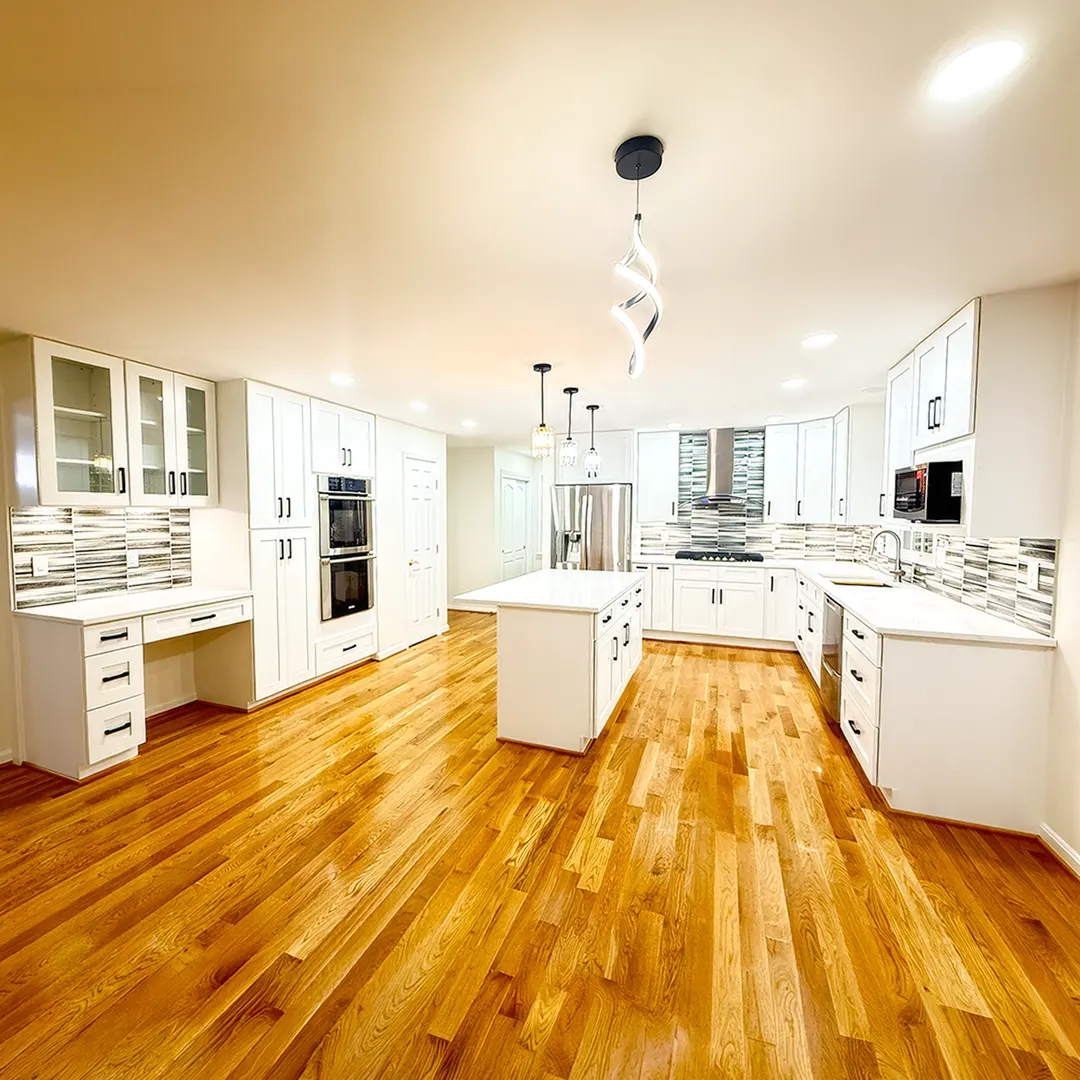
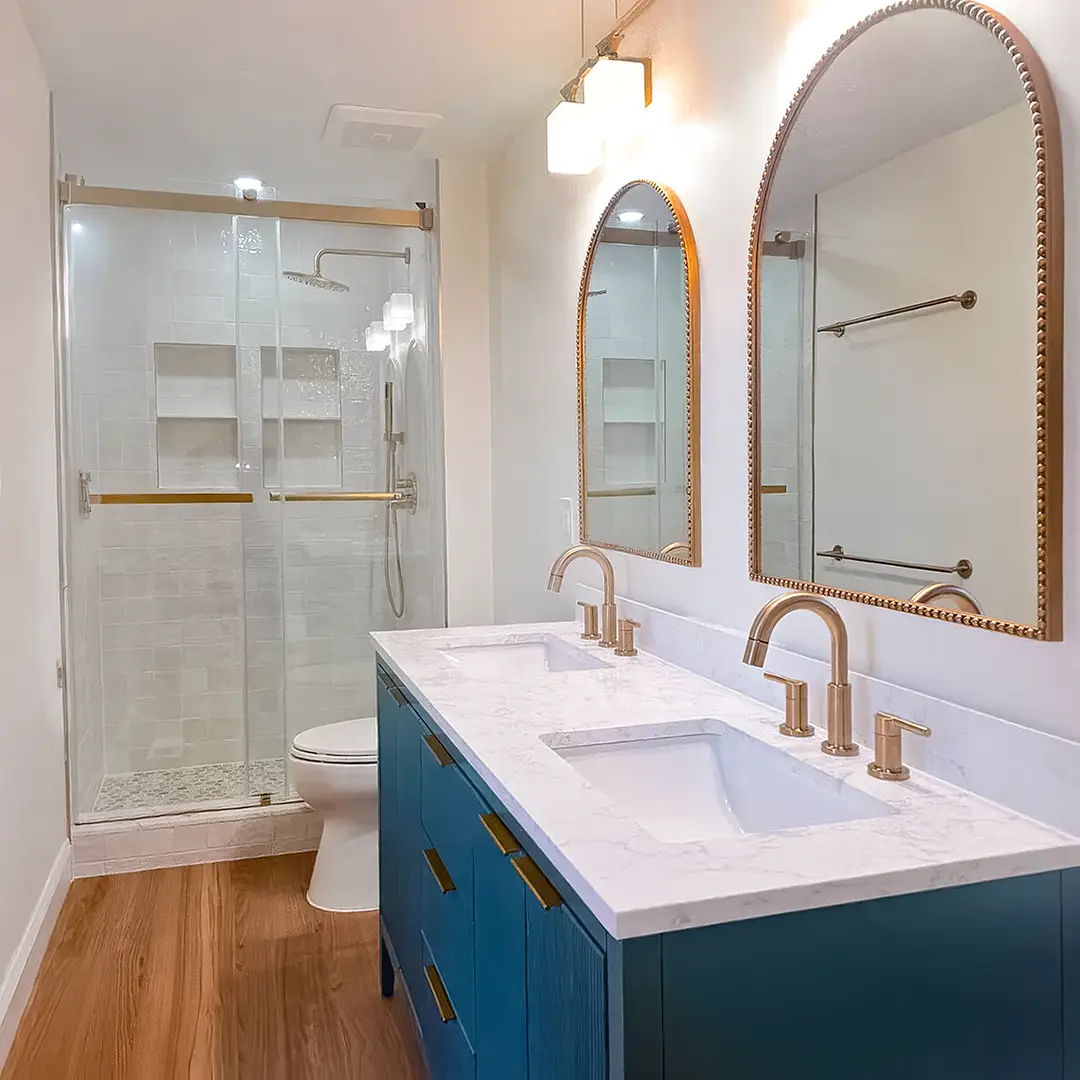
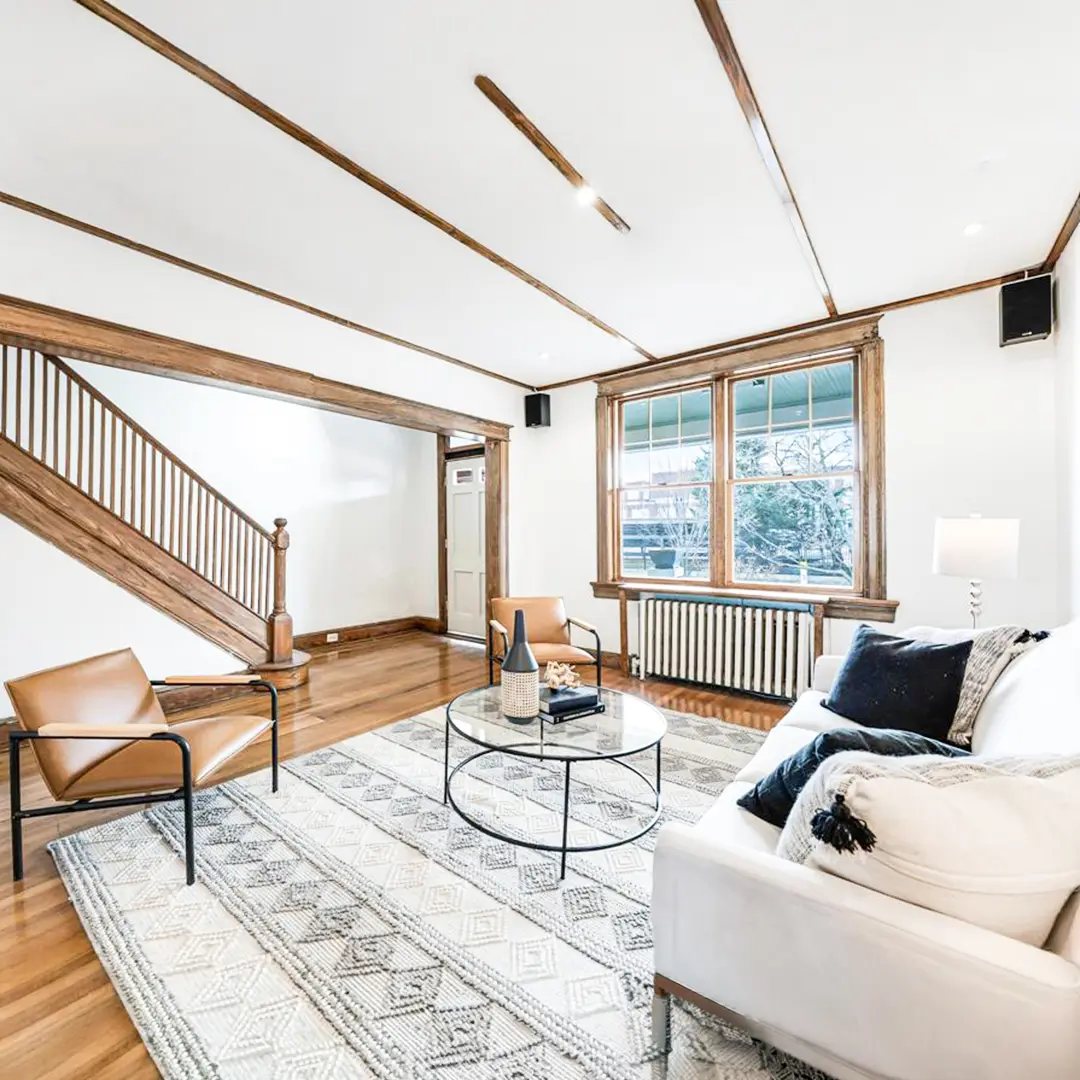
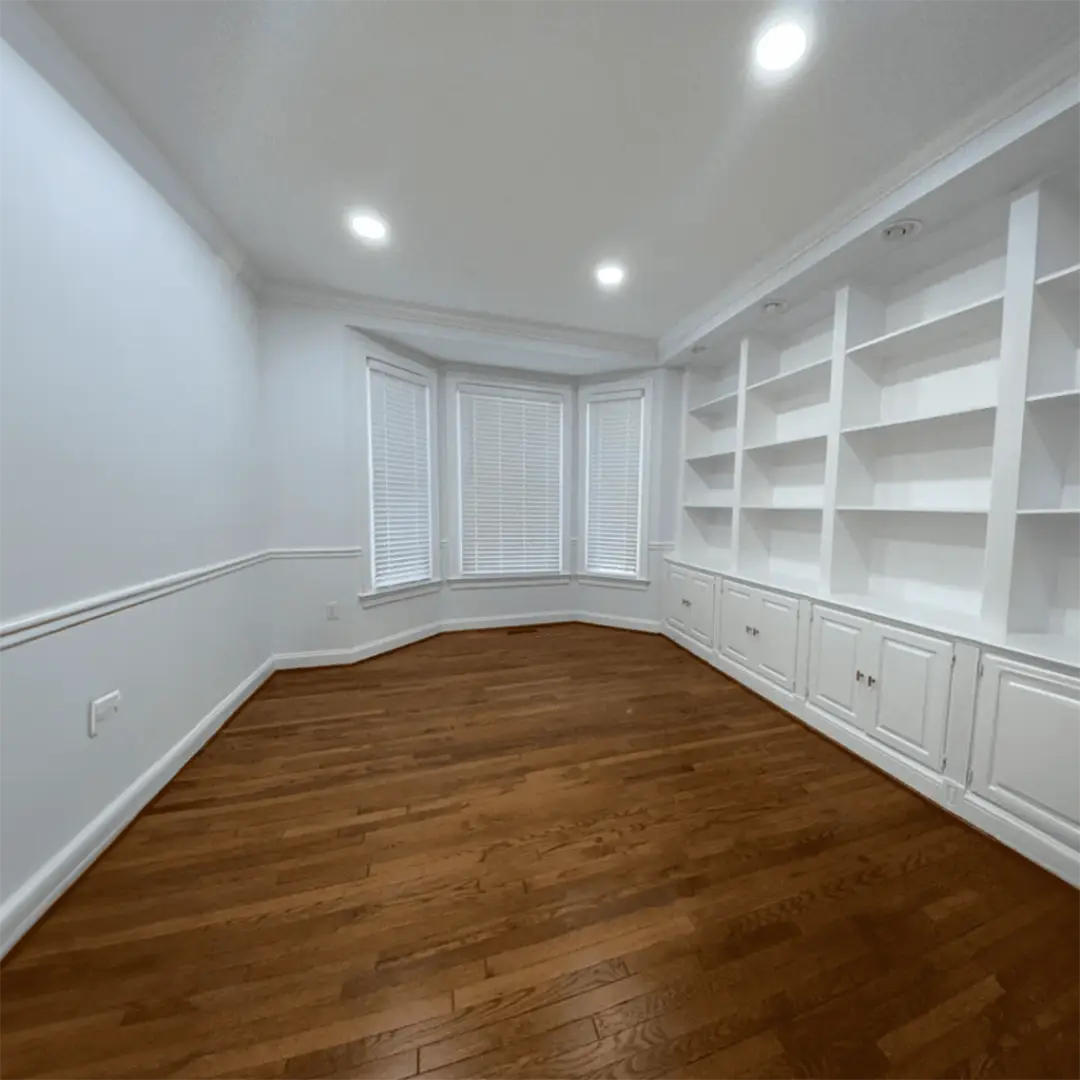
Wood-look finishes can add visual warmth, helping living rooms, offices, game rooms, and guest rooms blend in better with the rest of the home.
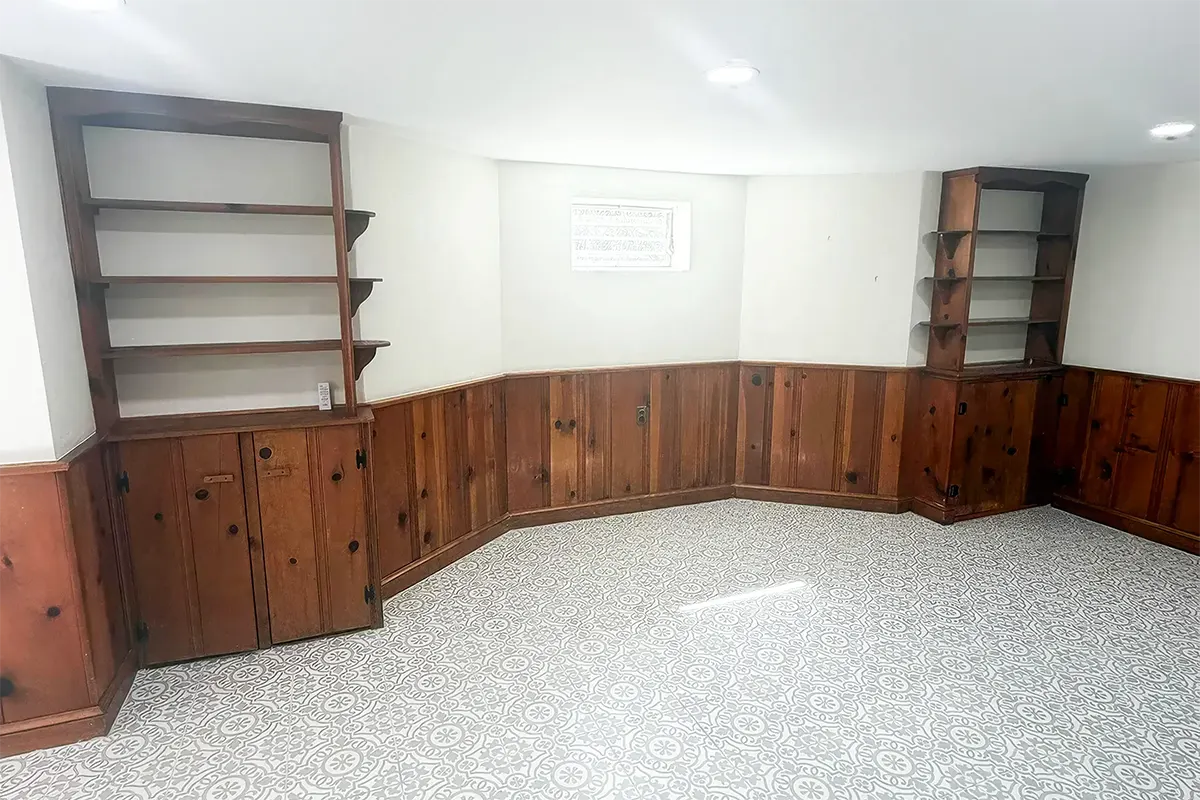
Matching Flooring With the Basement's Purpose
Every basement has different needs; for example, a home gym may require a durable floor that can support the weight of equipment, while a recreation room may benefit from a warmer, more residential look.
Homes with children or pets may prioritize scratch resistance and easy cleaning, while guest areas may focus more on comfort and design.
A well-planned basement flooring installation balances moisture resistance, durability, maintenance, and appearance. Choosing the right material can transform a basement into a comfortable and practical extension of the home.




.webp)
.webp0.webpaa.webp)


.webp)


