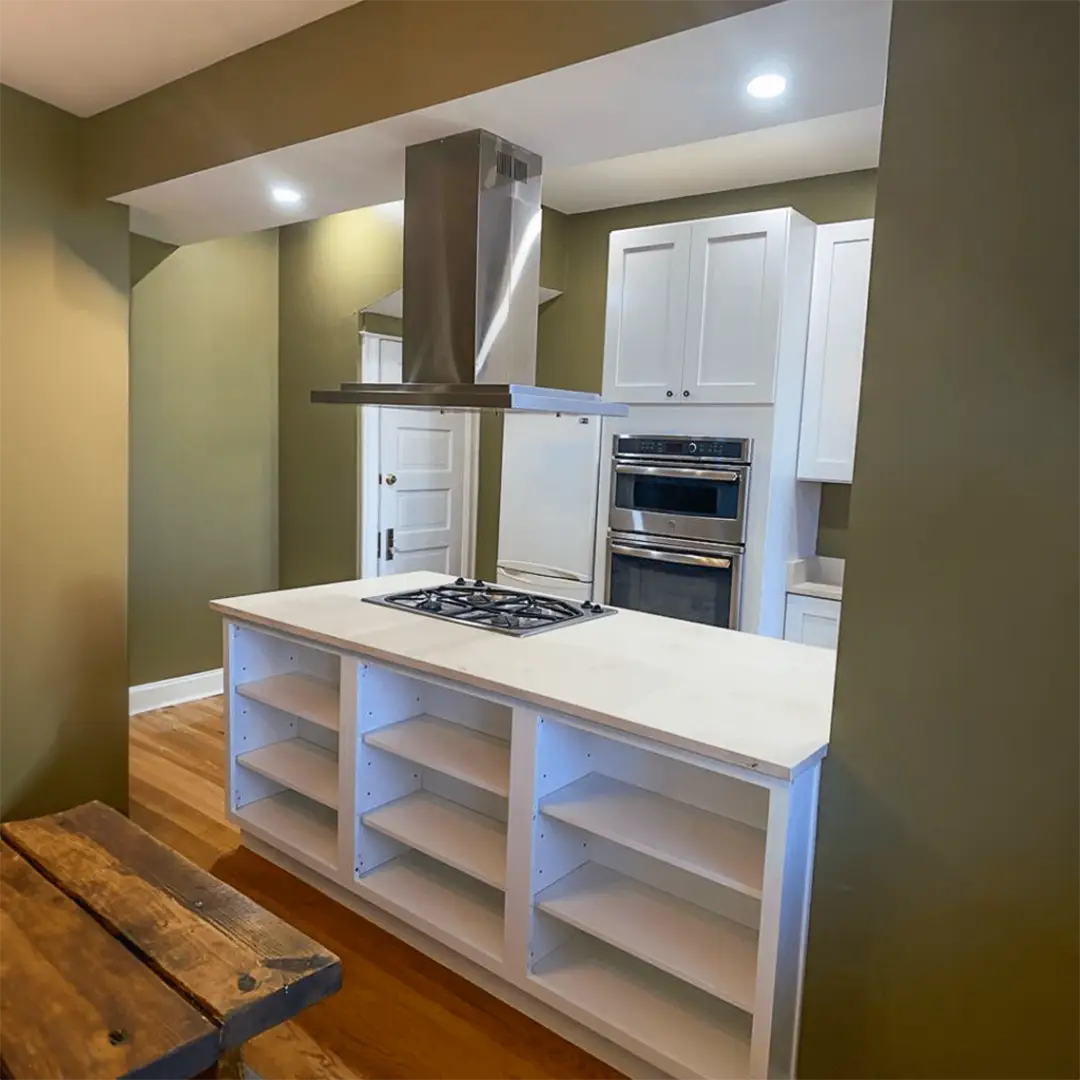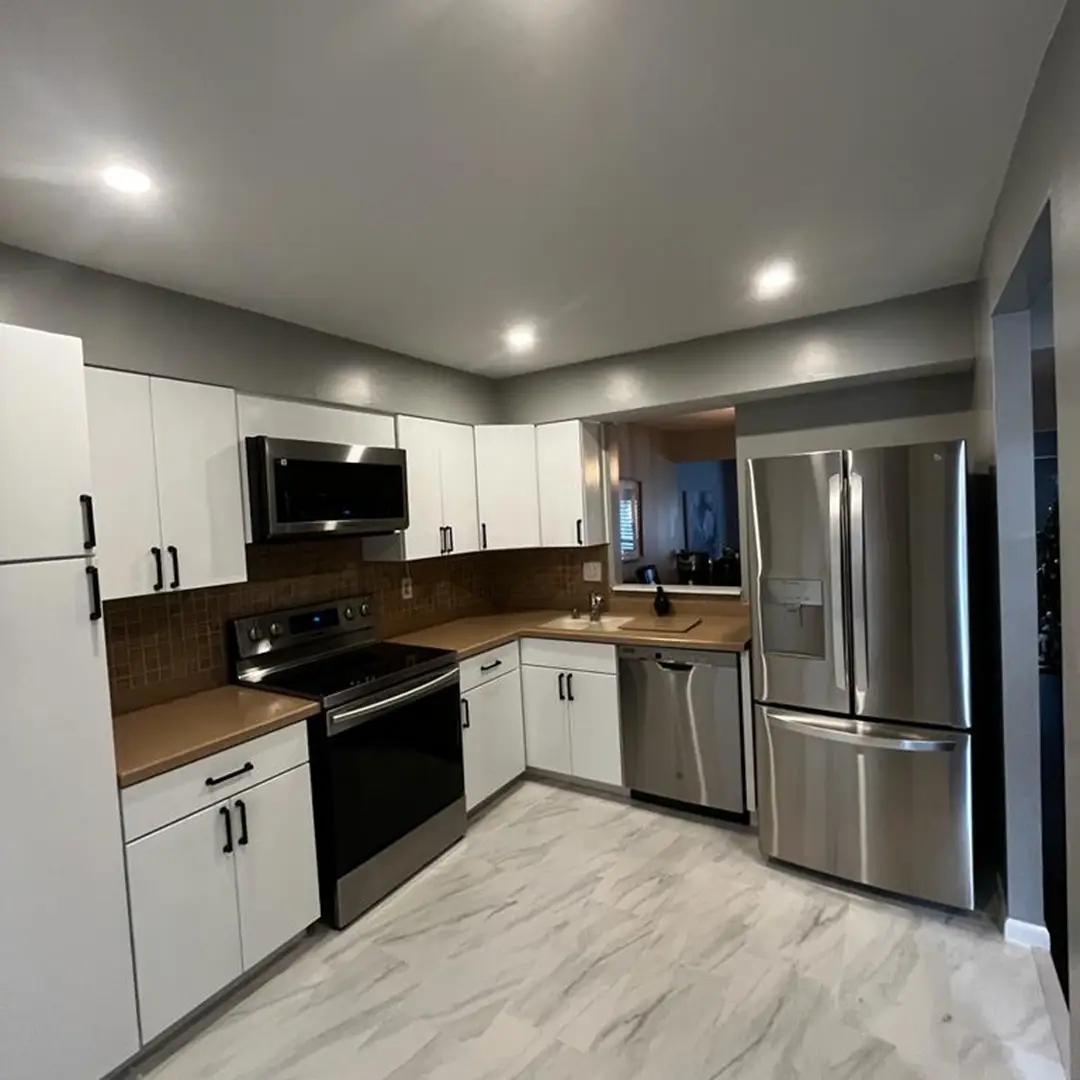
Kitchen Ventilation Ideas for a Fresher and More Comfortable Cooking Space
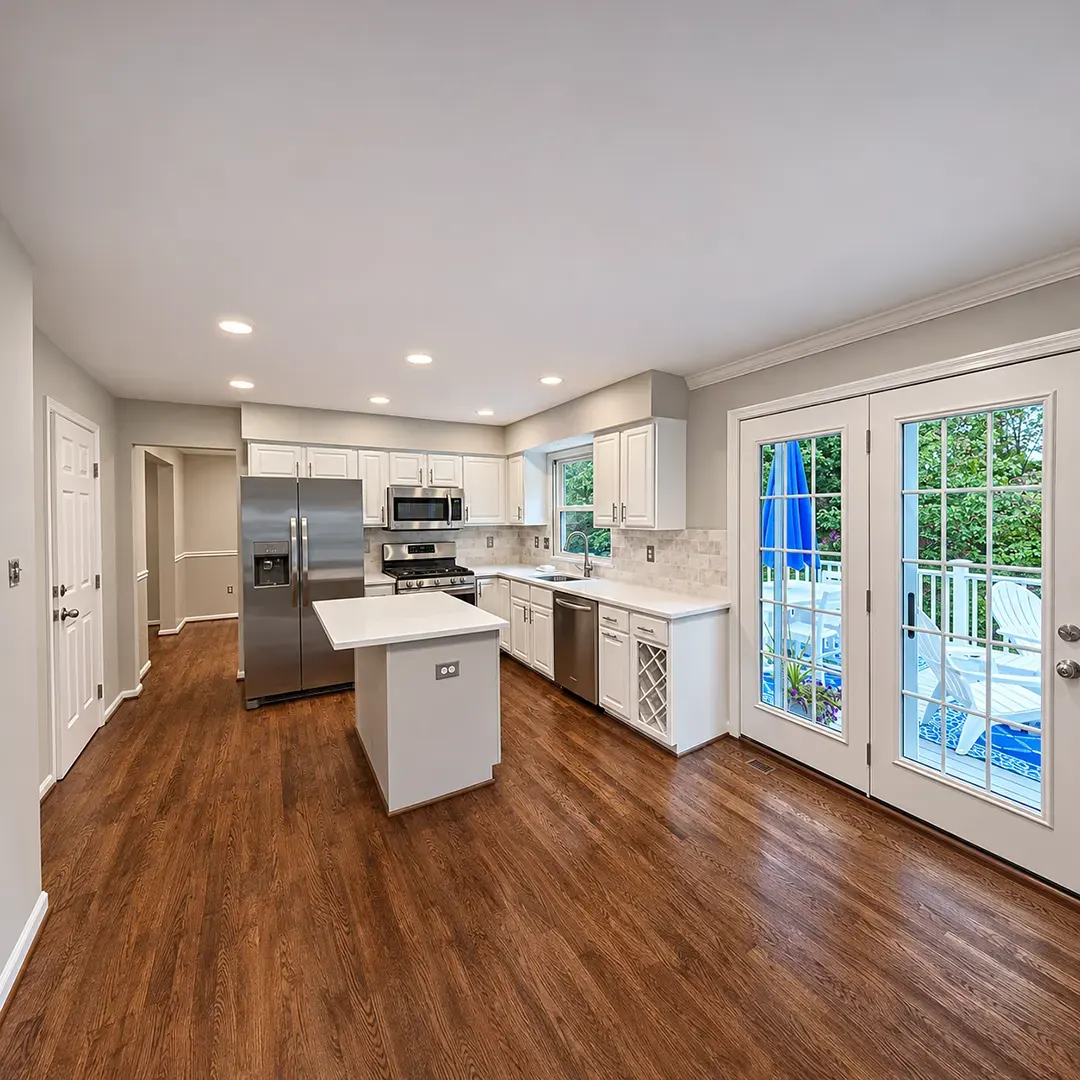
Choosing the Right Range Hood
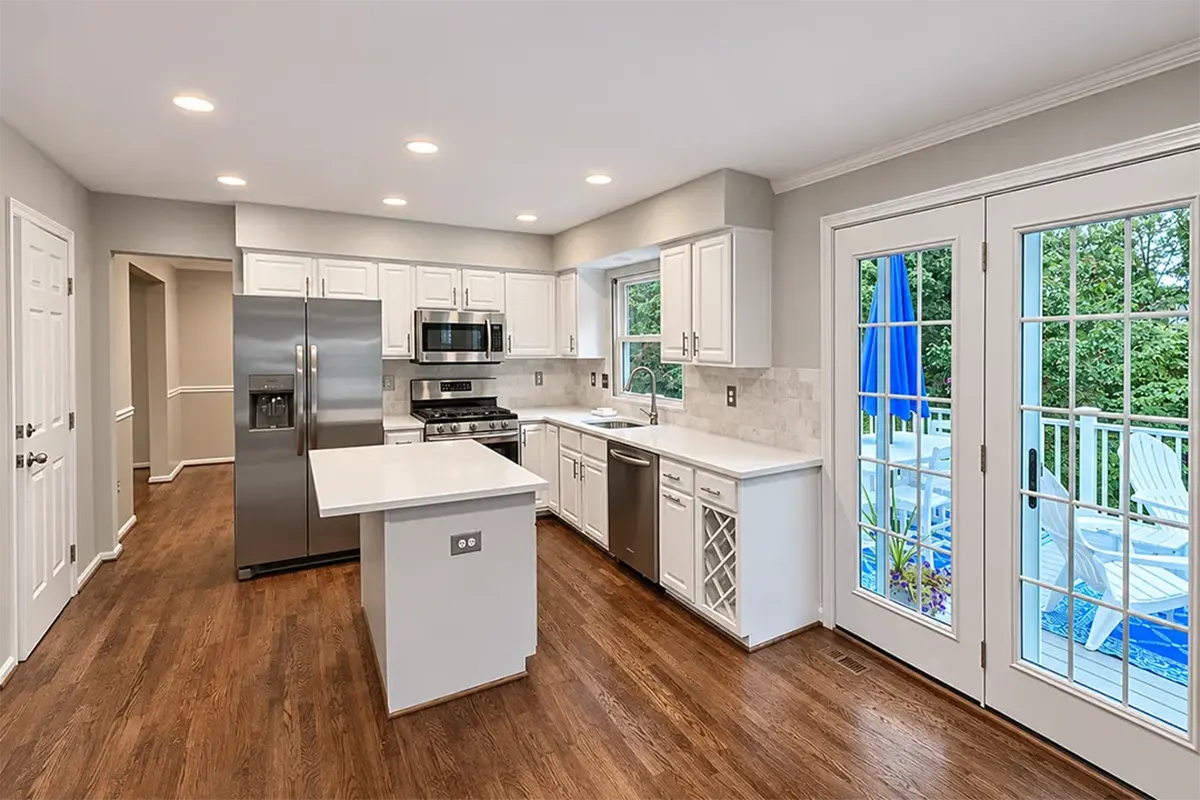
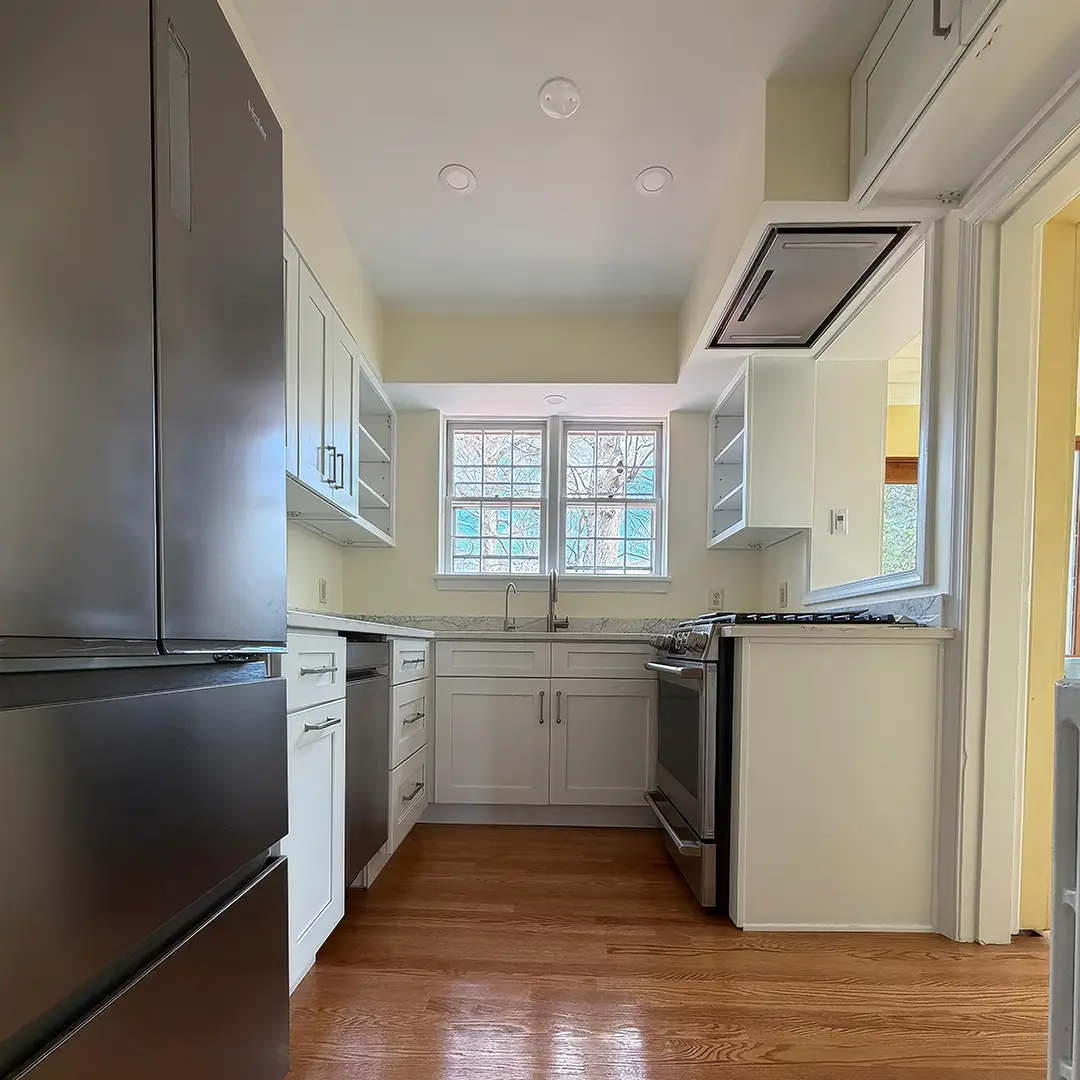
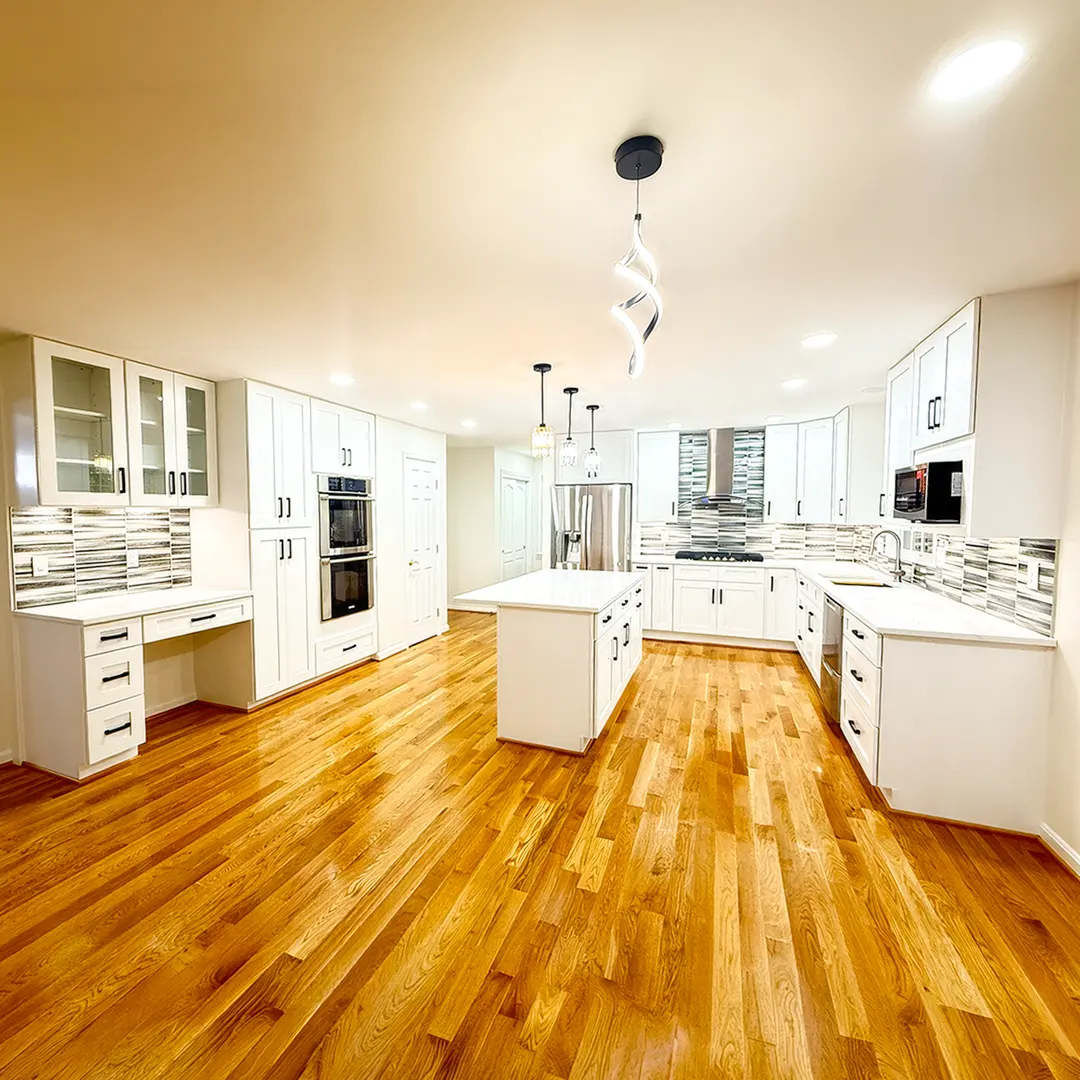
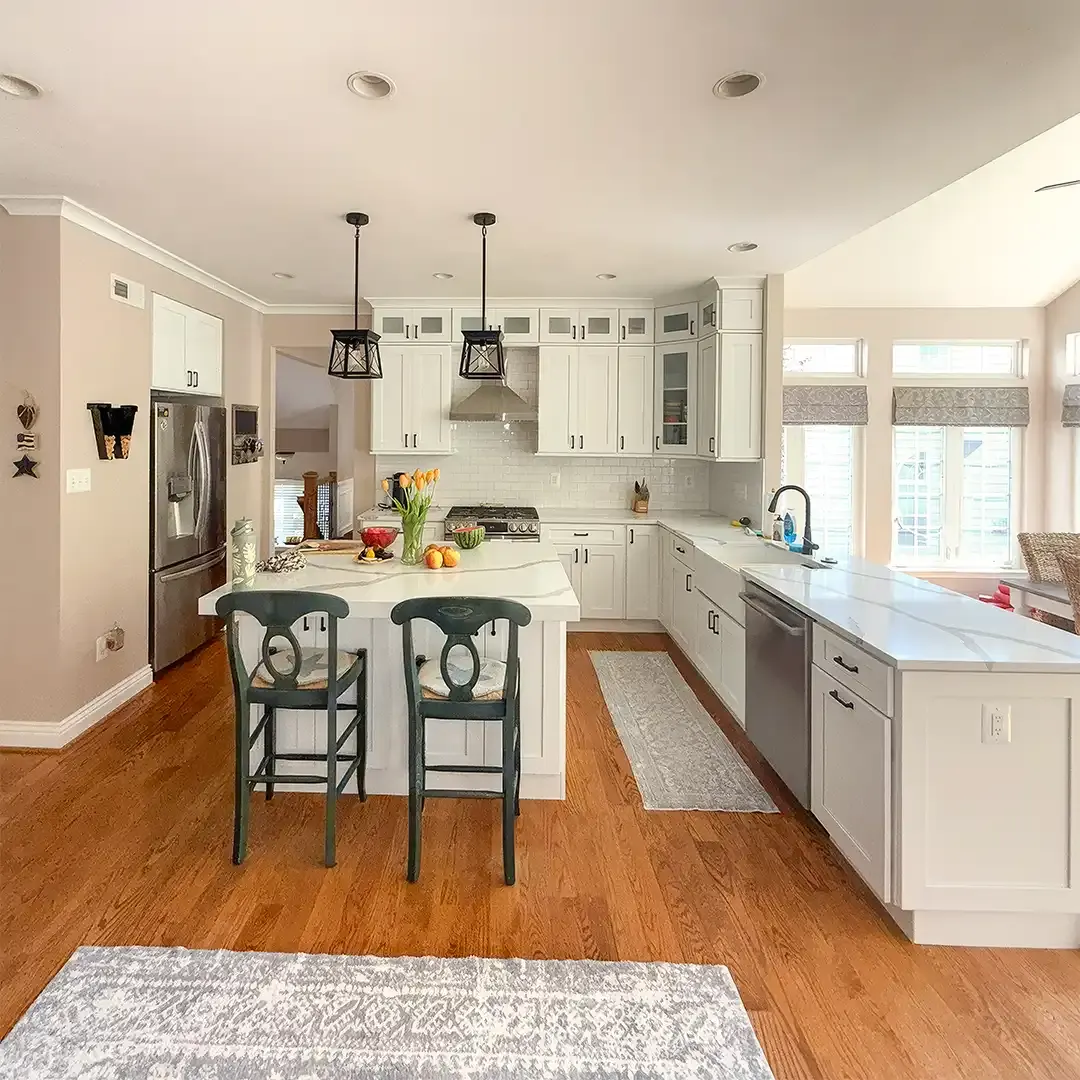
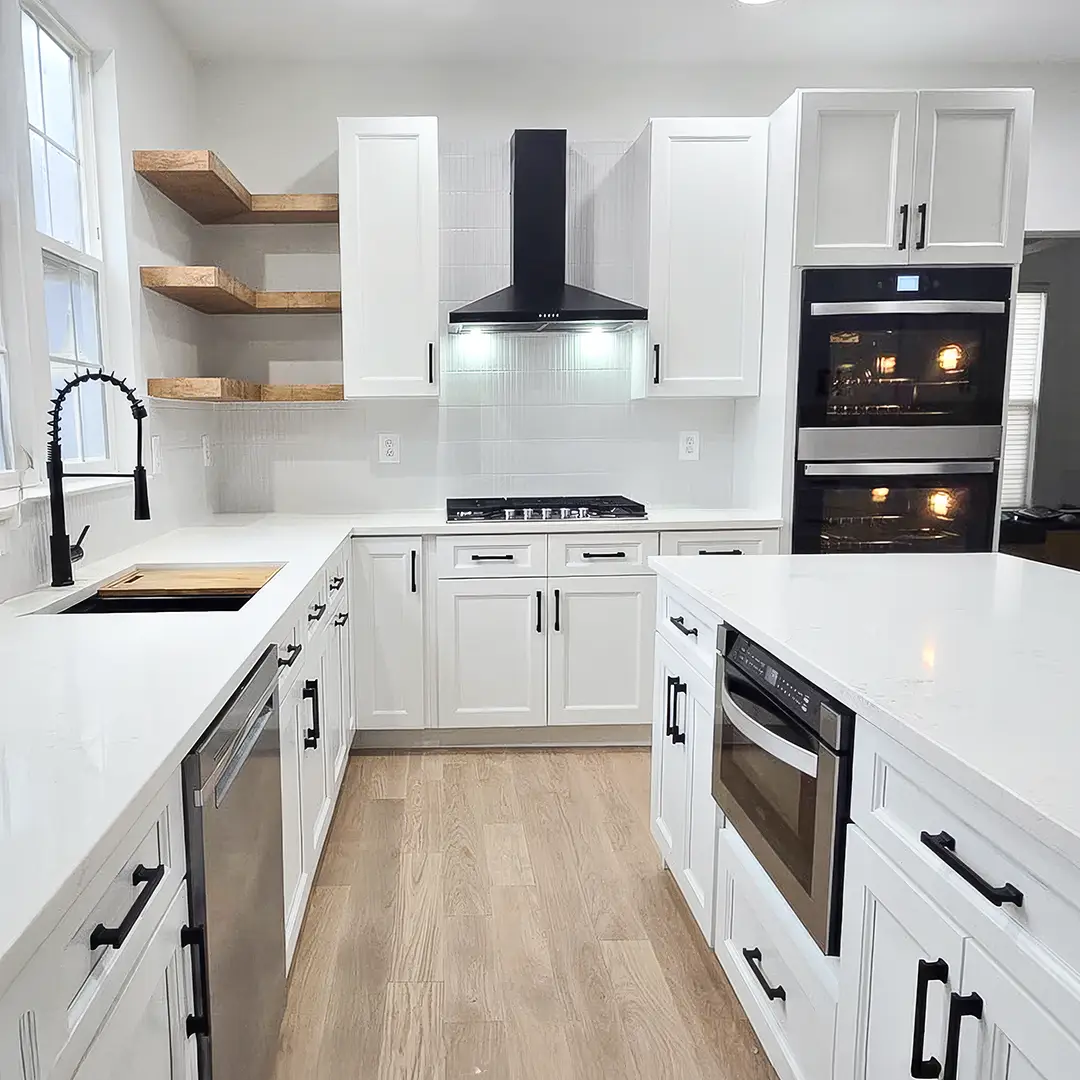
A range hood helps capture smoke, grease, and steam while cooking. Wall-mounted, under-cabinet, and built-in models offer different solutions depending on the kitchen layout. Choosing the appropriate size and ventilation capacity ensures better performance while complementing the overall design.
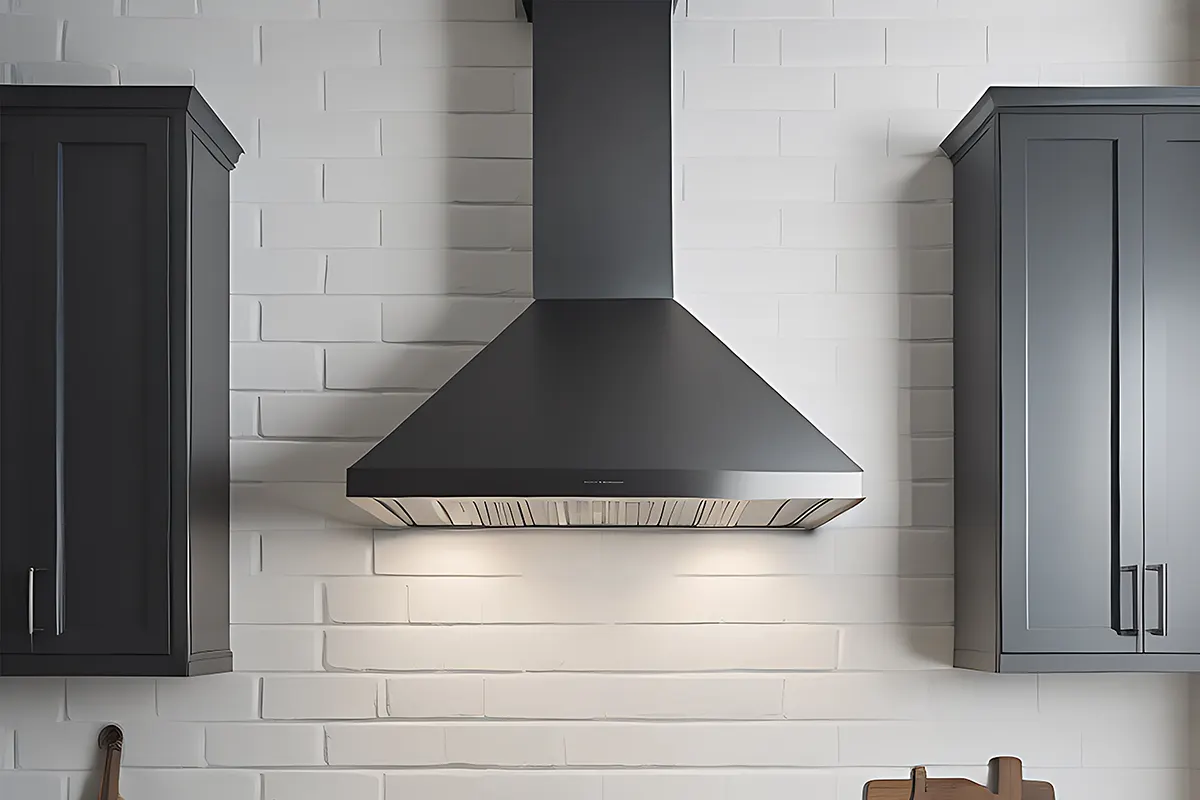
Understanding Ducted and Ductless Ventilation
Ducted range hoods direct smoke, moisture, and cooking odors outside through dedicated ductwork. Ductless models filter and recirculate air, offering an alternative when exterior ventilation is difficult to install. The right choice depends on the kitchen's structure and existing conditions.
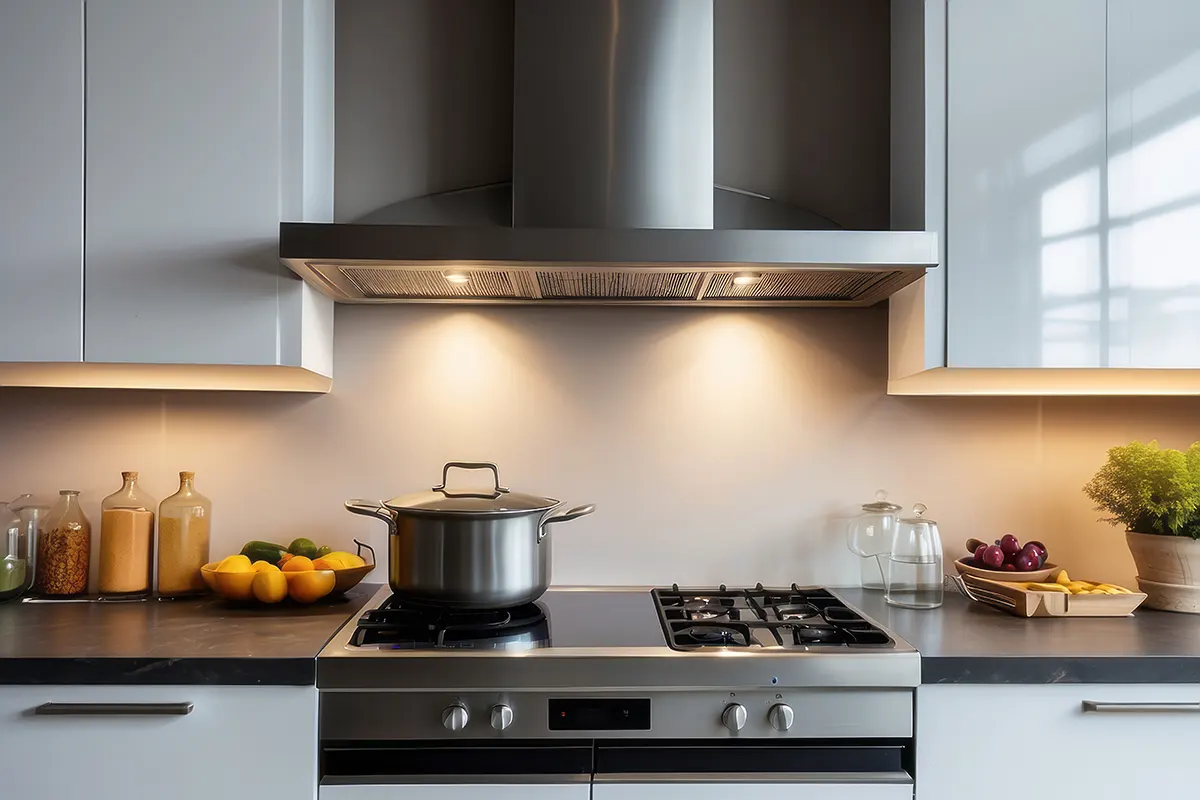
Improving Airflow Throughout the Kitchen
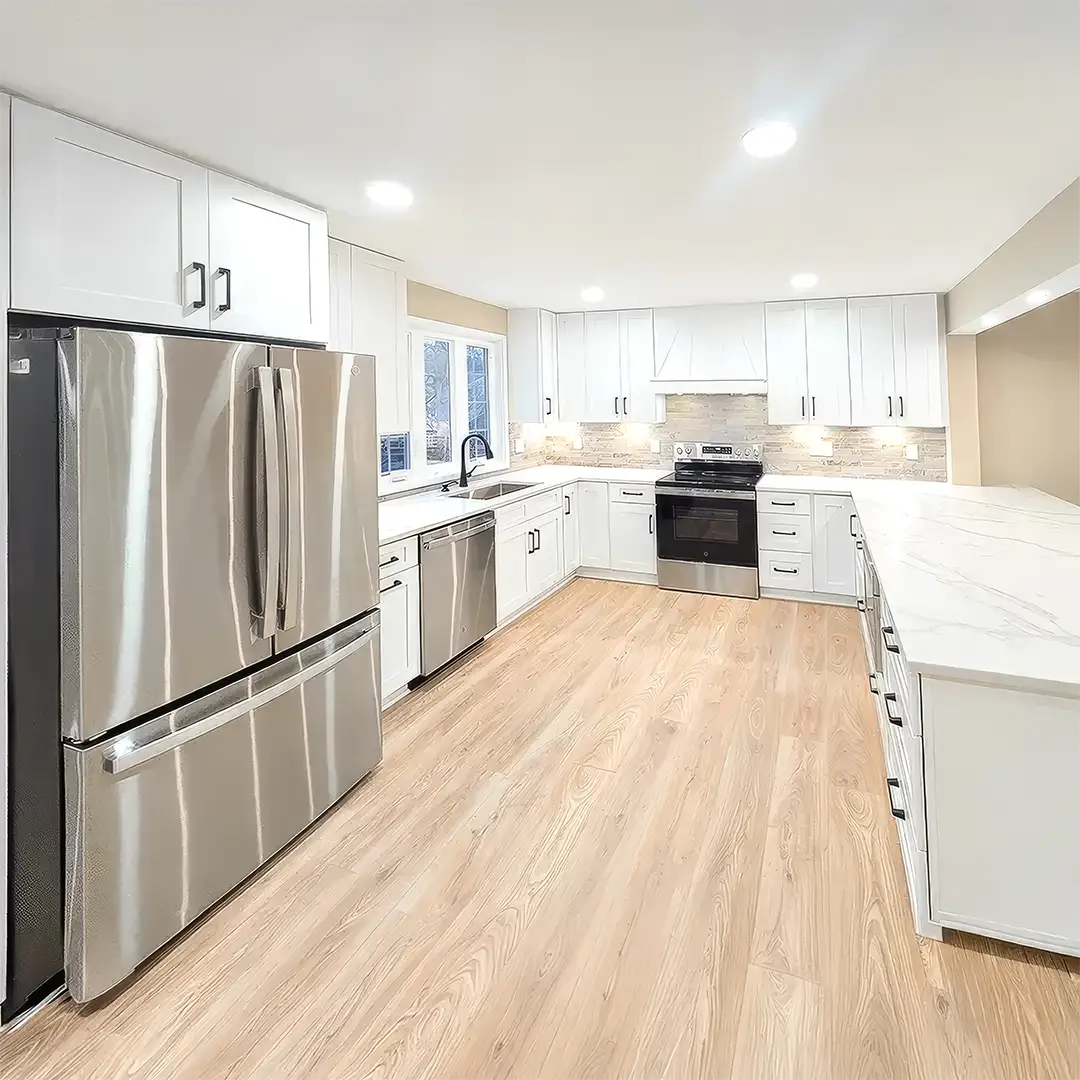
Proper airflow prevents heat and cooking odors from accumulating or spreading into nearby rooms. Strategically positioned windows can complement mechanical ventilation. Higher-capacity range hoods may also require makeup air to maintain balanced airflow and meet applicable building requirements.
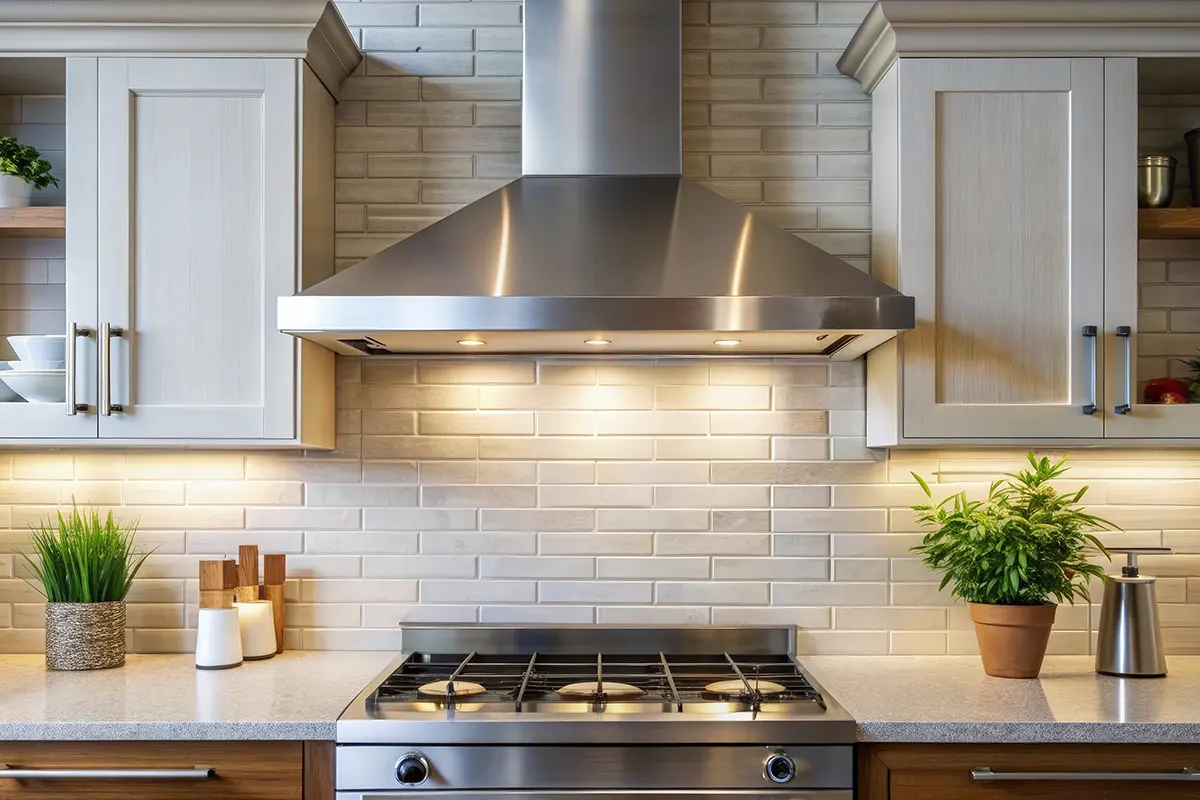
Managing Noise Without Sacrificing Performance
An effective ventilation system should operate without creating unnecessary noise. Range hoods with adjustable fan speeds offer flexibility for different cooking activities. Proper duct sizing, fewer bends, and professional installation can improve ventilation performance while maintaining a quieter kitchen environment.
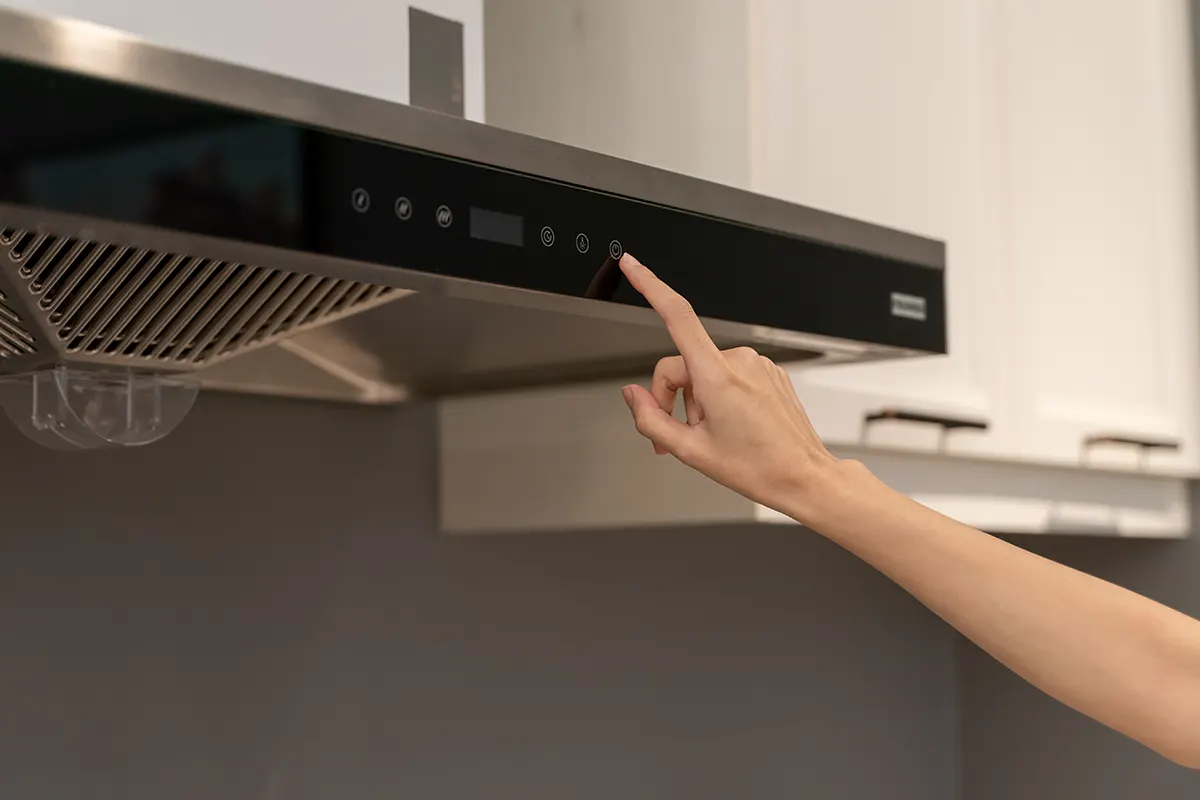
Integrating Ventilation Into the Remodeling Process
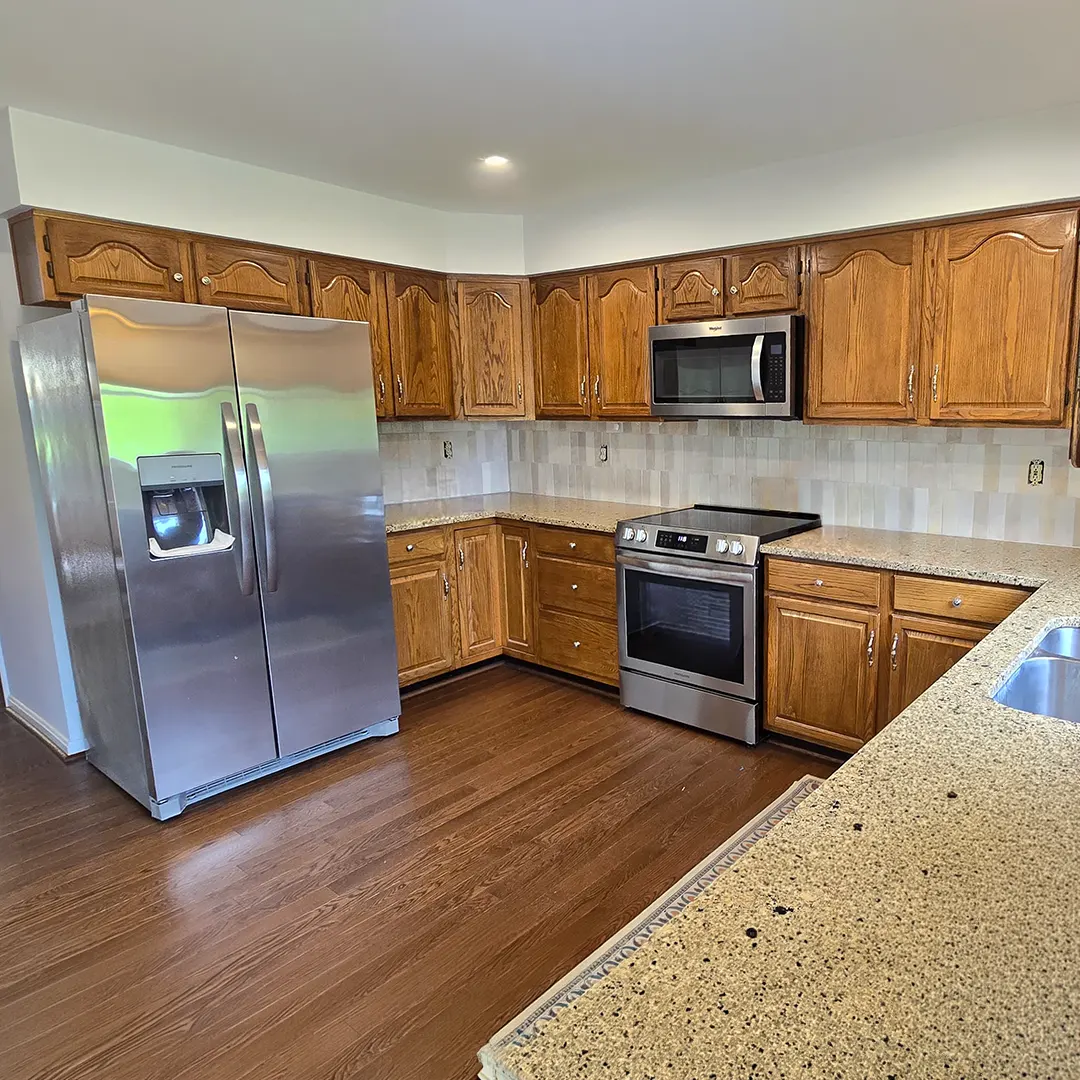
Ventilation should be considered before cabinetry and appliances are installed. Planning electrical connections, ductwork, equipment placement, and filter accessibility early helps prevent unnecessary construction adjustments.
At E&L Home Improvements, we understand that successful kitchen remodeling goes beyond appearance. Thoughtful ventilation planning helps Maryland homeowners enjoy a cleaner, fresher, and more comfortable cooking space that supports their daily routines for years to come.